
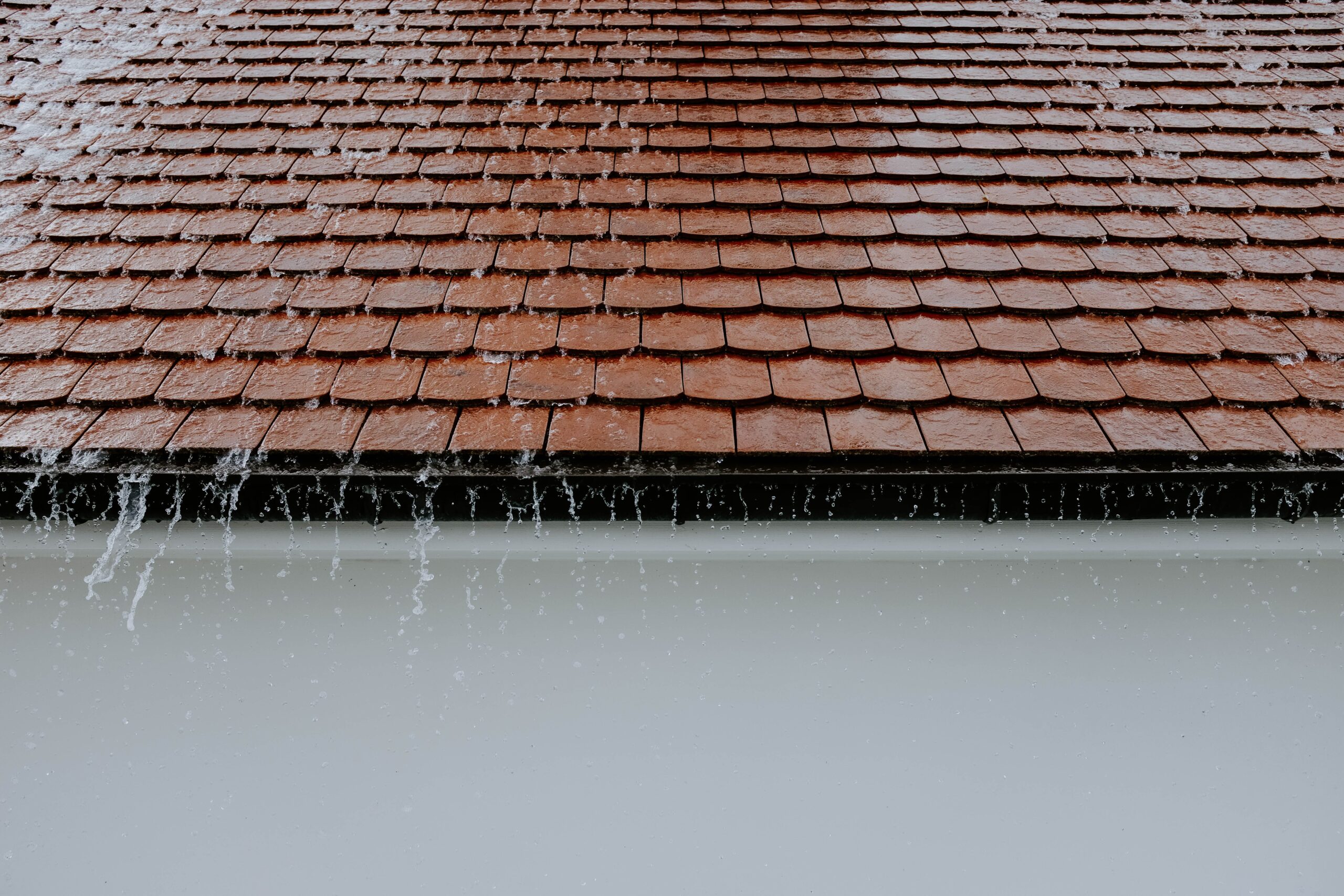
Tile, Shingle, or Flat Roof? A Tucson Homeowner’s Guide to Roofing Types and Maintenance
When it comes to protecting your home in Tucson, choosing the right roof is one of the most important decisions you can make. With intense summer heat, year-round sun exposure, and seasonal monsoon storms, Southern Arizona’s climate presents unique challenges for homeowners. Your roof needs to do more than complement your home’s appearance. It must withstand extreme temperatures, protect against heavy rainfall, and provide reliable performance for years to come.
Throughout the greater Tucson area, three roofing types are especially common: tile roofs, shingle roofs, and flat roofs. Each offers distinct benefits, and understanding their differences can help you make informed decisions about roof installation, replacement, repairs, and ongoing maintenance.
Whether you’re considering a new roof or simply want to extend the life of your existing one, knowing what to look for can help you avoid unexpected repairs and costly water damage.
Understanding Tucson’s Most Common Roofing Types
Tucson’s desert climate plays a major role in determining which roofing materials work best for local homes. While there are several roofing options available, tile, shingle, and flat roofing systems remain among the most popular throughout Southern Arizona.
Each roofing type has its own advantages, maintenance requirements, and potential vulnerabilities. Choosing the right option depends on factors such as your home’s architectural style, budget, energy-efficiency goals, and long-term maintenance expectations.
Tile Roofs: Durability and Timeless Southwestern Style
Tile roofs are a familiar sight throughout Tucson neighborhoods, particularly on homes featuring Spanish, Mediterranean, and Southwestern architecture. Known for their distinctive appearance and long-lasting durability, tile roofing is a popular choice for homeowners looking for both functionality and curb appeal.
One of the biggest advantages of tile roofs is their ability to withstand Tucson’s intense sunshine. Clay and concrete tiles are designed to endure prolonged sun exposure, and certain tile roofing systems can help reduce heat transfer into the home when properly installed and ventilated.
Tile roofs also offer excellent durability when maintained correctly. However, while the tiles themselves can last for decades, the underlayment beneath them may need replacement sooner. This protective layer helps prevent water from entering your home, making its condition just as important as the visible roofing material.
Common signs your tile roof may need attention include:
- Cracked, broken, or missing roof tiles
- Tiles that have shifted out of position
- Water stains on interior ceilings or walls
- Deteriorating underlayment
- Signs of moisture around roof penetrations or flashing
Although tile roofs are durable, they aren’t maintenance-free. Monsoon winds, falling debris, and extreme temperature fluctuations can cause damage over time. Regular inspections can help identify small issues before they develop into leaks or more extensive repairs.
If your tile roof is showing signs of aging, professional tile roof repairs or replacement can help restore its protective capabilities while maintaining your home’s Southwestern appearance.
Shingle Roofs: Affordable, Versatile, and Reliable
Shingle roofs are another common option for Tucson homeowners, offering a traditional appearance and cost-effective roofing solution. Asphalt shingles are particularly popular because they are available in various colors and styles, making them suitable for many residential architectural designs.
For homeowners working within a budget, shingle roofing often provides a lower upfront installation cost than tile roofing. Modern asphalt shingles are also manufactured with features designed to improve resistance to weather exposure, although performance varies depending on the product and installation quality.
In Tucson, however, the combination of intense ultraviolet exposure and high temperatures can accelerate shingle deterioration. Over time, shingles may become brittle, curl, crack, or lose the protective granules that help shield them from the elements.
Warning signs that your shingle roof may need repairs include:
- Shingles that are curling, cracking, or lifting
- Missing shingles following strong winds
- Excessive granule loss
- Dark patches or uneven wear
- Water stains or signs of interior moisture
Monsoon storms can be particularly challenging for aging shingle roofs. Strong winds may loosen already weakened shingles, allowing rainwater to reach the underlying roofing materials.
Routine maintenance and timely shingle replacement can help extend the lifespan of your roof and prevent moisture from entering your home.
For Tucson homeowners seeking a balance between affordability, appearance, and dependable protection, a professionally installed shingle roof can be an excellent option.
Flat Roofs: A Popular Choice for Modern Tucson Homes
Flat roofs are especially common throughout Tucson, appearing on contemporary homes, Southwestern-style residences, and many commercial buildings. Their clean, minimal appearance makes them a natural fit for the region’s architecture.
Despite their name, flat roofs typically have a slight slope designed to direct rainwater toward drains or other drainage points. However, because these roofs have a much lower pitch than tile or shingle roofs, proper drainage and waterproofing are especially important.
During Tucson’s monsoon season, sudden heavy rainfall can overwhelm drainage systems or expose weaknesses in a roof’s protective coating. When water cannot drain effectively, it may accumulate in low areas, creating what is commonly known as ponding water.
Over time, standing water can accelerate deterioration of certain roofing materials and increase the likelihood of leaks, particularly if the roof already has cracks, damaged seams, or other vulnerable areas.
Common flat roof issues include:
- Pooling or standing water after rainfall
- Cracks or deterioration in the roof coating
- Blocked drains or drainage pathways
- Blistering, bubbling, or peeling roofing materials
- Water intrusion around vents, skylights, and other roof penetrations
One of the most important aspects of flat roof maintenance is ensuring the roof’s waterproofing system remains intact.
Depending on the roofing material, professional roof sealing or recoating may help protect the surface against moisture and sun exposure. However, coatings are not a substitute for repairing damaged roofing materials or correcting drainage problems.
For homeowners with flat roofs, scheduling regular inspections and addressing drainage issues promptly can make a significant difference in preventing costly water damage.
How Tucson’s Weather Affects Your Roof
Tucson homeowners face a combination of environmental conditions that can gradually wear down roofing materials. While roofing systems are designed to withstand outdoor exposure, Southern Arizona’s climate makes preventive maintenance particularly important.
Extreme Heat and UV Exposure
During the summer, Tucson temperatures regularly exceed 100°F, and roof surfaces can become significantly hotter than the surrounding air.
Continuous exposure to sunlight and heat can contribute to the deterioration of roofing materials, sealants, and protective coatings. Shingles may lose flexibility, flat roof coatings can gradually degrade, and tile roof underlayment may weaken over time.
Temperature changes between day and night also cause roofing materials to expand and contract. Repeated movement can place stress on seams, flashing, and other vulnerable areas.
Monsoon Storms and Heavy Rainfall
Tucson’s monsoon season typically brings thunderstorms, strong winds, and periods of intense rainfall during the summer months.
Although the region is known for its dry climate, heavy storms can deliver substantial rainfall in a short period. This creates challenges for roofs with damaged materials, compromised waterproofing, or inadequate drainage.
Flat roofs are particularly vulnerable to ponding water, while tile and shingle roofs may experience damage from high winds and wind-driven rain.
Even when a roof appears to be in good condition from the ground, hidden damage may allow moisture to enter beneath the surface.
Wind and Storm Debris
Strong monsoon winds can loosen shingles, shift roof tiles, and carry branches or debris onto roofing surfaces.
These issues may not immediately cause visible leaks, but they can weaken the roof’s protective system and create opportunities for future water intrusion.
Having your roof inspected after a significant storm can help identify damage that might otherwise go unnoticed.
Enrique’s Roofing Tip: One Thing to Watch Out for After Heavy Rain
One of the most important things Tucson homeowners should watch for after a storm is water that isn’t draining properly from the roof.
Following periods of heavy rainfall, moisture can collect in vulnerable areas, especially on flat roofing systems. When water remains on the roof longer than intended, it can contribute to material deterioration and expose existing weaknesses in the waterproofing system.
Even tile and shingle roofs can develop moisture-related problems when damaged materials allow water to reach the layers underneath.
The challenge is that roof leaks aren’t always immediately visible. Water may travel beneath roofing materials or through attic spaces before appearing as a stain on your ceiling or wall.
By the time you notice interior water damage, moisture may have already affected insulation, drywall, or other structural components.
What to Check After a Tucson Rainstorm
After a heavy storm, take a few minutes to visually inspect your home and roof from a safe location.
For tile roofs: Look for visibly cracked, missing, or displaced tiles. Pay attention to areas around vents, chimneys, and roof edges where water may enter if protective materials have been damaged.
For shingle roofs: Watch for missing or lifted shingles, curling edges, and noticeable surface deterioration. Check the ground for roofing debris that may have come loose during the storm.
For flat roofs: Look for standing water that remains after rainfall, visible coating damage, or debris blocking drainage areas. Persistent ponding water should be evaluated by a roofing professional.
You should also inspect the inside of your home for signs of moisture. Water stains on ceilings, discoloration near walls, peeling paint, or unusual dampness may indicate a roofing issue.
Enrique’s Pro Tip: After a rainfall, take a quick walk around your home and look for water stains on ceilings or walls, especially near corners, roof edges, and areas where water may collect. These can be early signs of a roof leak. If you notice anything unusual, schedule a professional roof inspection before a small problem becomes a major repair.
For safety, avoid climbing onto your roof, particularly when surfaces are wet or damaged. A qualified professional roofer, like our team at Renewal Roofing, can inspect areas that aren’t safely visible from the ground.
Why Preventive Roof Maintenance Matters in Tucson
Many roofing problems begin as minor issues that gradually worsen with continued exposure to the elements.
A small crack in a tile, a loose shingle, or a deteriorating section of flat roof coating may not seem urgent. However, when the next monsoon storm arrives, these weaknesses can allow water to penetrate the roofing system.
Preventive maintenance helps homeowners identify and address potential problems before they lead to extensive damage.
Regular roof inspections can also help extend the useful life of roofing materials, protect the home’s interior, and reduce the likelihood of unexpected repair expenses.
For Tucson homeowners, it’s generally a good idea to schedule a professional roof inspection at least once a year and after significant storms, particularly if the roof is older or has experienced previous leaks.
A professional inspection may include evaluating roofing materials, checking flashing and roof penetrations, reviewing drainage conditions, and identifying areas that need repairs or additional waterproofing.
Addressing these concerns early can help keep your roofing system performing as intended throughout the year.
Roof Repair, Roof Sealing, or Replacement: How Do You Know What You Need?
Not every roofing problem requires a complete replacement. In many cases, targeted repairs or maintenance can restore a roof’s performance and help extend its lifespan.
The best solution depends on the roofing material, age of the roof, extent of the damage, and condition of the underlying components.
Roof repairs may be appropriate when damage is limited to specific areas, such as broken tiles, missing shingles, or localized leaks.
Roof sealing and coating services may be beneficial for certain flat roofing systems when the existing roof is structurally sound and compatible with the coating being applied. These treatments can help maintain waterproofing and protect against environmental exposure.
Roof replacement may be necessary when a roofing system has extensive deterioration, recurring leaks, or widespread damage that makes continued repairs impractical.
For tile roofs, this may involve replacing deteriorated underlayment while preserving reusable tiles when appropriate. For shingle roofs, widespread wear or material failure may indicate that replacement is the better long-term investment.
A qualified roofing contractor can evaluate your roof’s condition and recommend an approach based on its specific needs.
Choosing the Right Roofing Company in Tucson
Whether you’re planning a roof replacement or addressing damage after a monsoon storm, working with a roofing company familiar with Tucson’s climate is essential.
Local roofing professionals understand the challenges associated with extreme heat, UV exposure, seasonal rainfall, and the roofing styles commonly found throughout Southern Arizona.
Our experienced roofing team at Renewal Roofing, Remodeling, and Air can help you evaluate the condition of your existing roof, understand your repair or replacement options, and select materials that suit your home and budget.
It’s also important to choose a contractor who can explain the recommended work, discuss maintenance requirements, and provide a clear estimate before beginning a project.
Protect Your Tucson Home with Professional Roofing Services
Your roof is one of your home’s most important defenses against the elements. No matter the roofing type, routine maintenance and timely repairs can help ensure your roof continues protecting your property.
Understanding the unique needs of your roofing system is the first step toward avoiding preventable damage and making informed decisions about your home.
Our experienced roofing team at Renewal Roofing provides reliable solutions tailored to the needs of Tucson homeowners. Whether you’re considering a tile roof replacement, exploring shingle roofing options, or need professional flat roof repairs, we’re here to help you find the right solution.
Don’t wait for a small roofing issue to turn into an expensive problem. Contact our team today to request a free roofing quote and learn how we can help protect your home for years to come.
